
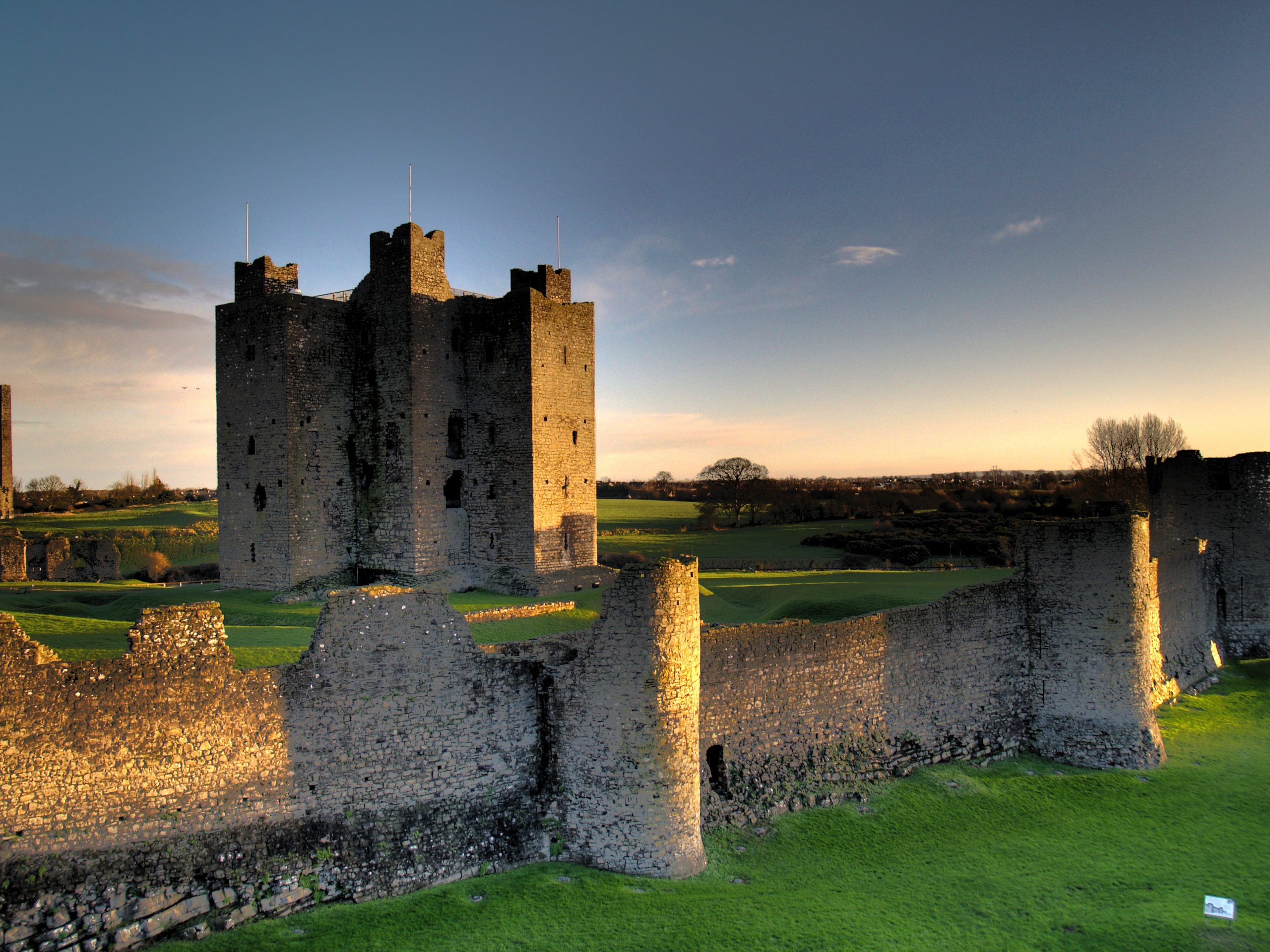
Con Manning Castle tour booked and confirmed for 25 people / 12.00 Lunch after castle tour at participants discretion. Con Manning has kindly agreed to guide after lunch – walk to Sheep gate and yellow Steeple, then drive to Newtowntrim for guided tour of the sites, with a break for coffee (Marcie Regans). [from Wikipedia] Trim Castle (Irish: Caisleán Bhaile Átha Troim) is a castle on the south bank of the River Boyne in Trim, County Meath, Ireland, with an area of 30,000 m2.[1][2] Over a period of 30 years, it was built by Hugh de Lacy and his son Walter as the caput of the Lordship of Meath. The Irish Government currently own and are in charge of the care of the castle, through the state agency The Office of Public Works (OPW). The land area of Meath was owned by the church but was granted to Hugh de Lacy in 1172 by Henry II of England as one of the new administrative areas.[4] De Lacy built a huge ringwork castle defended by a stout double palisade and external ditch on top of the hill. There may also have been further defences around the cliffs fringing the high ground. Part of a stone footed timber gatehouse lies beneath the present stone gate at the west side of the castle.
Category: Outing 2025/26
12 Sep 2026 St. Mary’s Abbey and recent excavations (less than 6 places left)
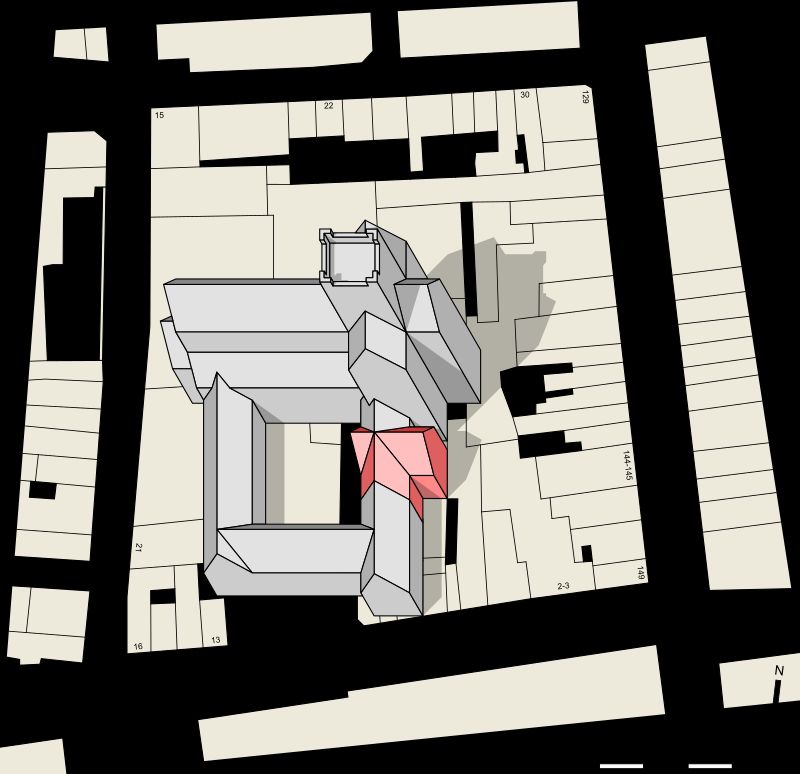
Ralph Smyth, Ed Donovan and possibly Paul Duffy [From Wikipedia, the free encyclopedia:] St. Mary’s Abbey (Irish: Mainistir Mhuire) was a former Cistercian abbey located near the junction of Abbey Street and Capel Street in Dublin, Ireland. Its territory stretched from the district known as Oxmanstown down along the River Liffey until it met the sea. It also owned large estates in other parts of Ireland. It was one of several liberties that existed in Dublin since the arrival of the Anglo-Normans in the 12th century, which gave it jurisdiction over its lands. The abbey was founded by the Irish king Máel Sechnaill mac Máele Ruanaid (died 862) in 846, according to the Annals of the Four Masters. It was originally Benedictine, but in 1139 was given by Malachy O’Morga, the legate of the Pope, to monks belonging to the Congregation of Savigny, which in 1147 joined the Cistercian order.[2]
22 Jul 2026 Royal Irish Academy, Dawson St.
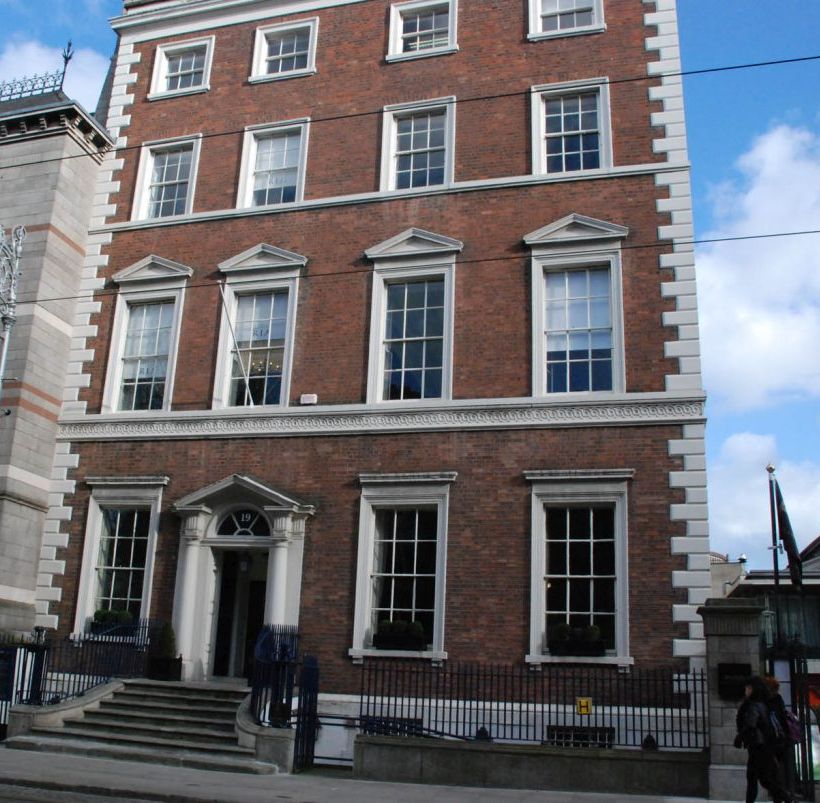
Guided Visit There will be a €5 donation to the Academy The Royal Irish Academy, established in 1785, serves as an all-island learned society, recognising academic achievement and contributing expertise to enhance the public good
6 Jun 2026 Howth Castle Visit
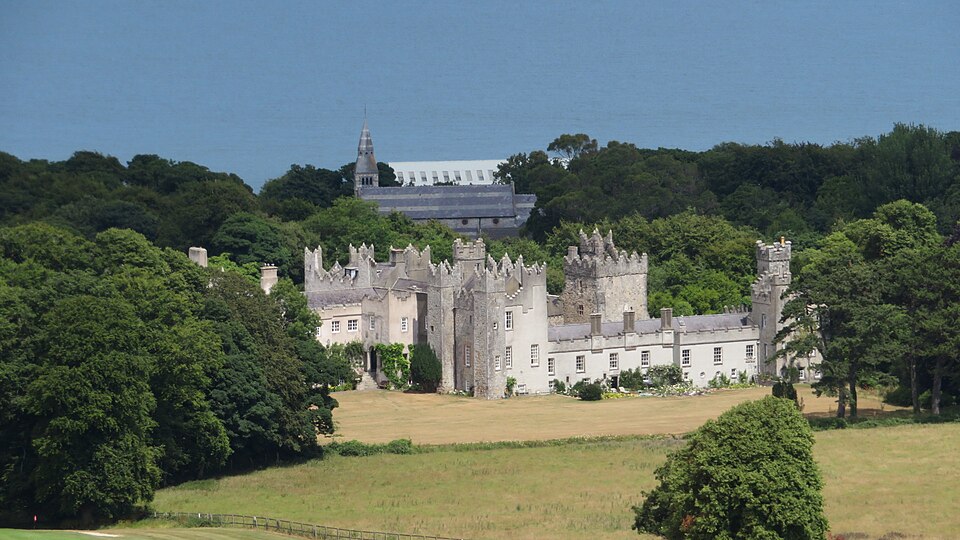
Guided tour of the Castle. We will meet at 11.00 am at the castle. Limited parking is available in the castle grounds. Parking is also available in Howth village. The DART train also serves Howth with the station about 10-15 minutes walk to the castle.
16 & 23 May 2026 Palaces of Industry with Adrian Le Harivel
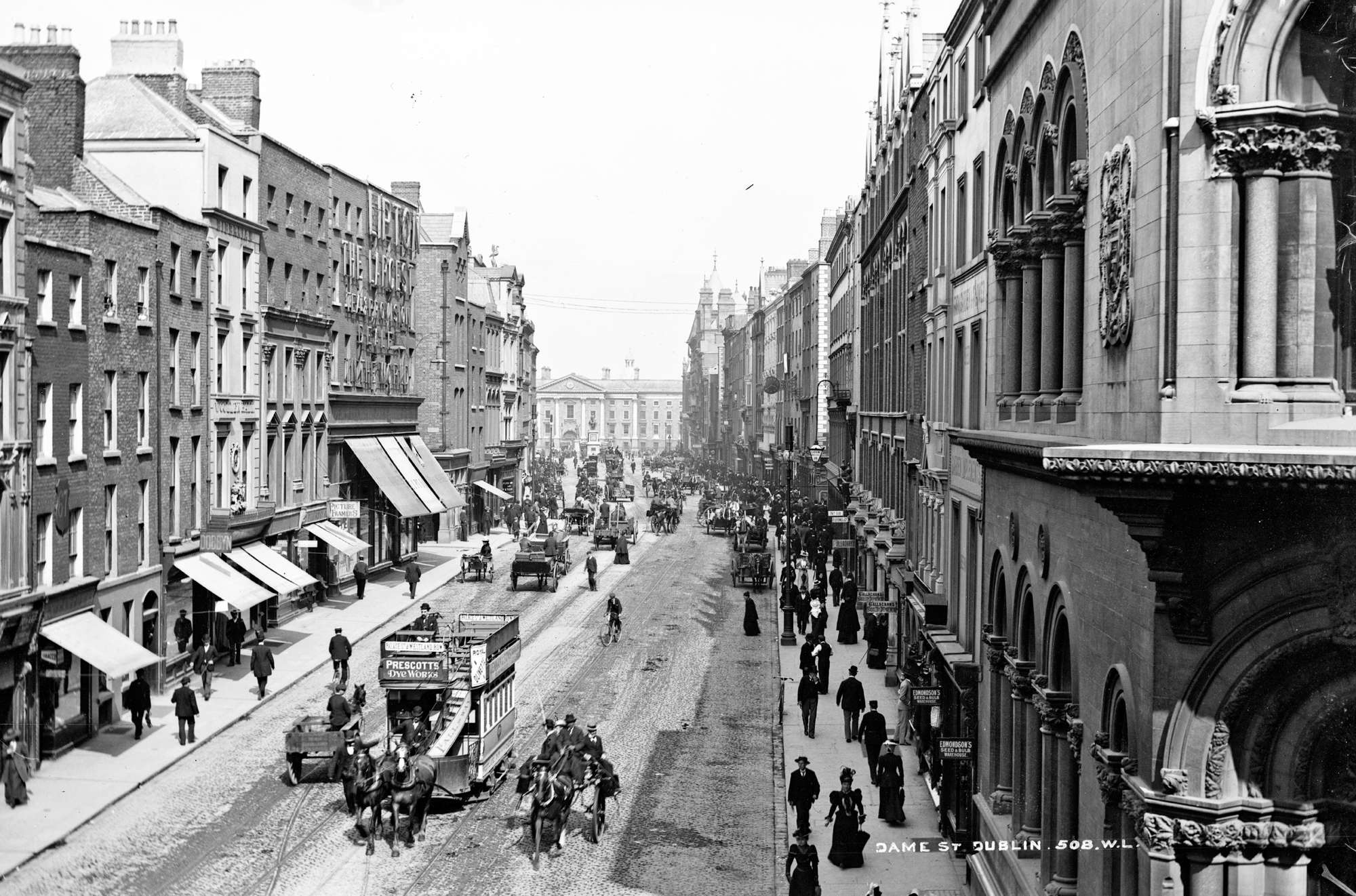
Palaces of Industry: Shopping and Commerce in Victorian Dublin Adrian will bring us on a walking tour of the “Palaces of Industry” in and around Dame Street. This promises to give fascinating insights into the history and uses of the various buildings along the street.
25 Oct 2025 Visit to Christchurch Cathedral with Stuart Kinsella

This visit will be led by Stuart Kinsella, archivist of the cathedral. Image by Ingo Mehling – Own work, CC BY-SA 4.0, https://commons.wikimedia.org/w/index.php?curid=13293326 From Wikipedia Christ Church Cathedral, more formally The Cathedral of the Holy Trinity (Irish: Ardeaglais Theampall Chríost[1]), is the cathedral of the United Dioceses of Dublin and Glendalough and the cathedral of the ecclesiastical province of the United Provinces of Dublin and Cashel in the (Anglican) Church of Ireland.[2] It is situated in Dublin, Ireland, and is the elder of the capital city’s two medieval cathedrals, the other being St Patrick’s Cathedral. The cathedral was founded in the early 11th century under the Viking king Sitric Silkenbeard. It was rebuilt in stone in the late 12th century under the Norman potentate Strongbow, and considerably enlarged in the early 13th century, using Somerset stones and craftsmen. A partial collapse in the 16th century left it in poor shape and the building was extensively renovated and rebuilt in the late 19th century, giving it the form it has today, including the tower, flying buttresses, and distinctive covered footbridge.
