
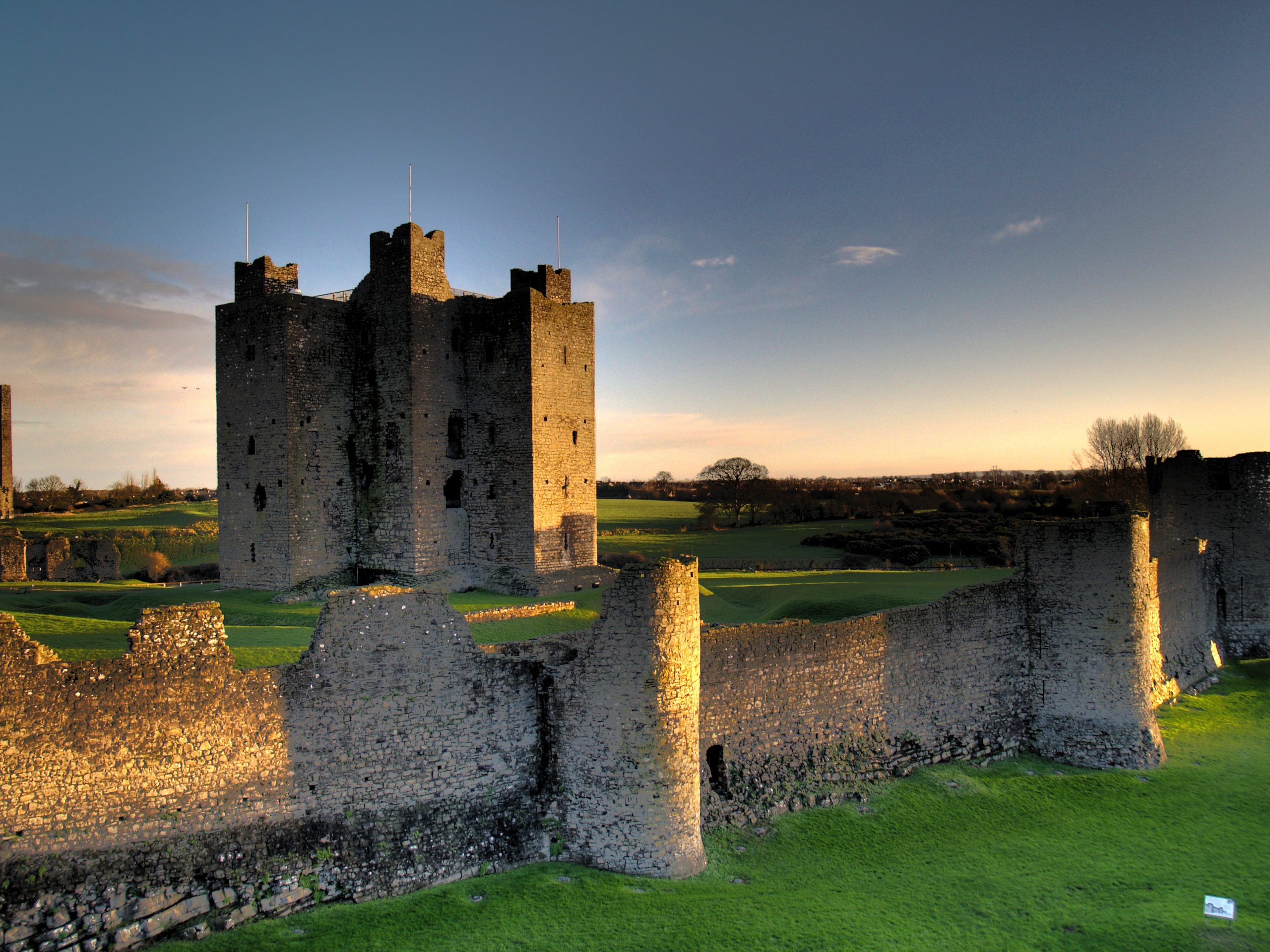
Con Manning Castle tour booked and confirmed for 25 people / 12.00 Lunch after castle tour at participants discretion. Con Manning has kindly agreed to guide after lunch – walk to Sheep gate and yellow Steeple, then drive to Newtowntrim for guided tour of the sites, with a break for coffee (Marcie Regans). [from Wikipedia] Trim Castle (Irish: Caisleán Bhaile Átha Troim) is a castle on the south bank of the River Boyne in Trim, County Meath, Ireland, with an area of 30,000 m2.[1][2] Over a period of 30 years, it was built by Hugh de Lacy and his son Walter as the caput of the Lordship of Meath. The Irish Government currently own and are in charge of the care of the castle, through the state agency The Office of Public Works (OPW). The land area of Meath was owned by the church but was granted to Hugh de Lacy in 1172 by Henry II of England as one of the new administrative areas.[4] De Lacy built a huge ringwork castle defended by a stout double palisade and external ditch on top of the hill. There may also have been further defences around the cliffs fringing the high ground. Part of a stone footed timber gatehouse lies beneath the present stone gate at the west side of the castle.
Category: Outings
12 Sep 2026 St. Mary’s Abbey and recent excavations (less than 6 places left)
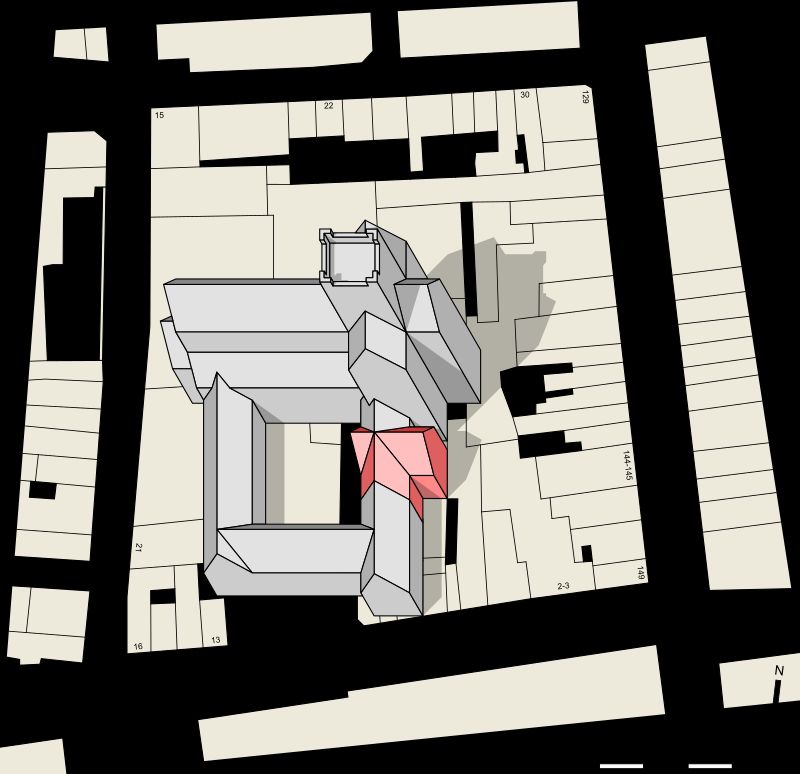
Ralph Smyth, Ed Donovan and possibly Paul Duffy [From Wikipedia, the free encyclopedia:] St. Mary’s Abbey (Irish: Mainistir Mhuire) was a former Cistercian abbey located near the junction of Abbey Street and Capel Street in Dublin, Ireland. Its territory stretched from the district known as Oxmanstown down along the River Liffey until it met the sea. It also owned large estates in other parts of Ireland. It was one of several liberties that existed in Dublin since the arrival of the Anglo-Normans in the 12th century, which gave it jurisdiction over its lands. The abbey was founded by the Irish king Máel Sechnaill mac Máele Ruanaid (died 862) in 846, according to the Annals of the Four Masters. It was originally Benedictine, but in 1139 was given by Malachy O’Morga, the legate of the Pope, to monks belonging to the Congregation of Savigny, which in 1147 joined the Cistercian order.[2]
22 Jul 2026 Royal Irish Academy, Dawson St.
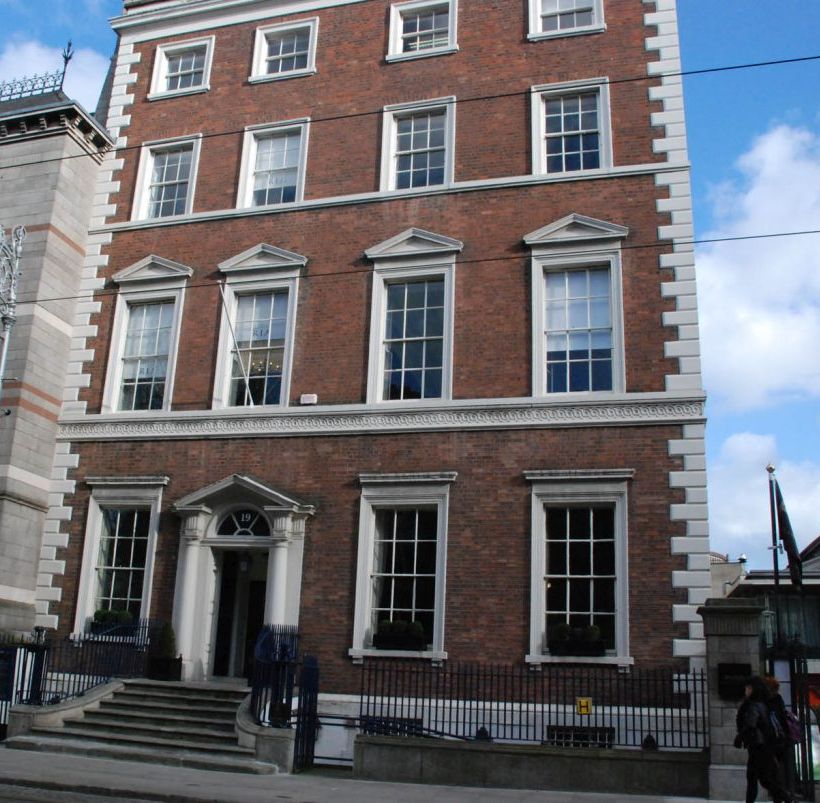
Guided Visit There will be a €5 donation to the Academy The Royal Irish Academy, established in 1785, serves as an all-island learned society, recognising academic achievement and contributing expertise to enhance the public good
6 Jun 2026 Howth Castle Visit
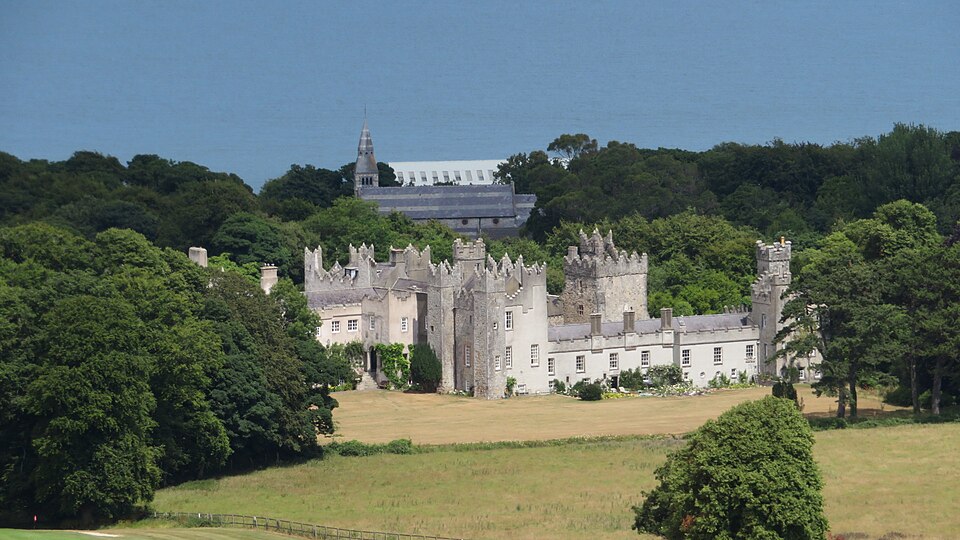
Guided tour of the Castle. We will meet at 11.00 am at the castle. Limited parking is available in the castle grounds. Parking is also available in Howth village. The DART train also serves Howth with the station about 10-15 minutes walk to the castle.
16 & 23 May 2026 Palaces of Industry with Adrian Le Harivel
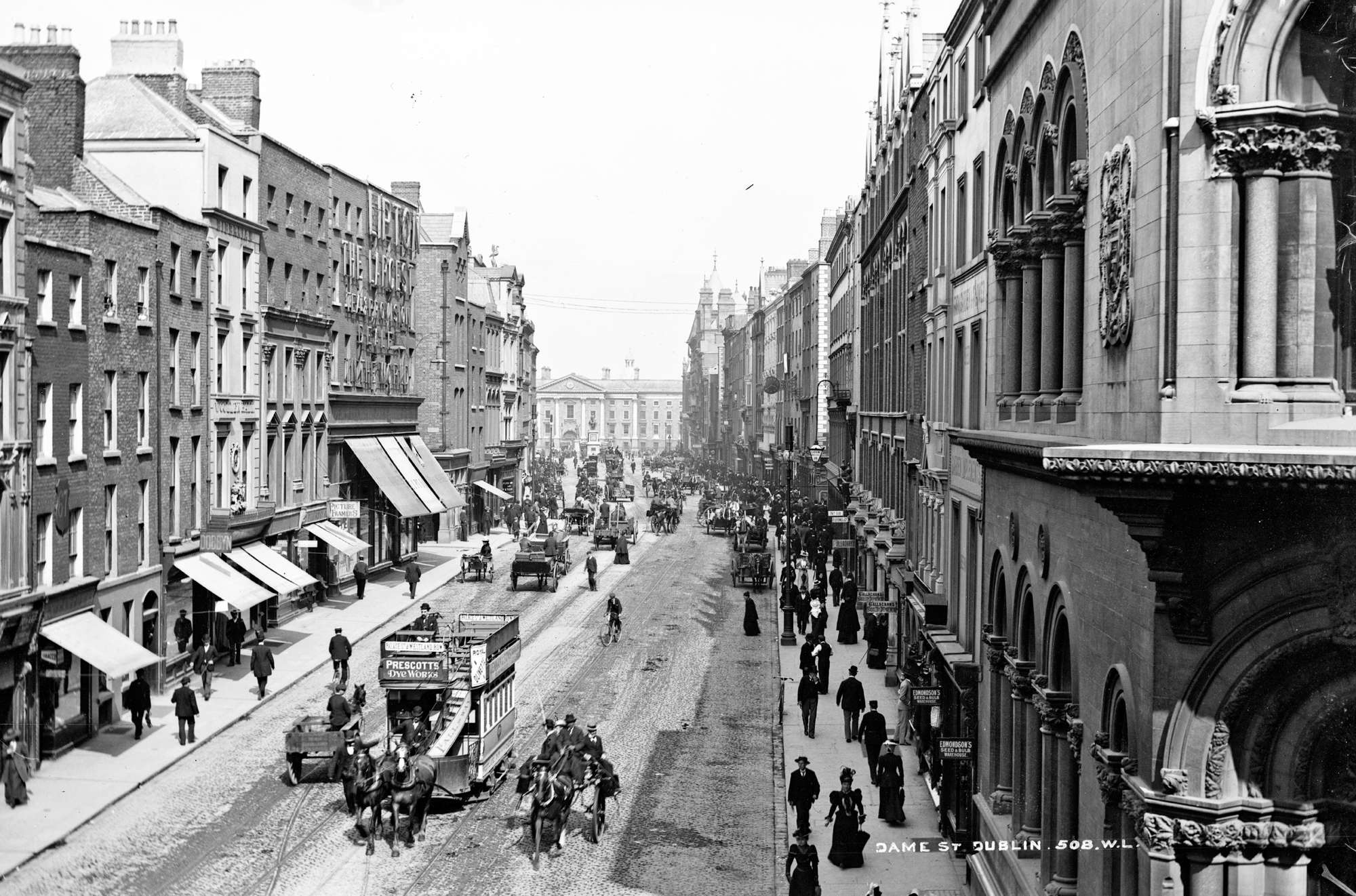
Palaces of Industry: Shopping and Commerce in Victorian Dublin Adrian will bring us on a walking tour of the “Palaces of Industry” in and around Dame Street. This promises to give fascinating insights into the history and uses of the various buildings along the street.
25 Oct 2025 Visit to Christchurch Cathedral with Stuart Kinsella

This visit will be led by Stuart Kinsella, archivist of the cathedral. Image by Ingo Mehling – Own work, CC BY-SA 4.0, https://commons.wikimedia.org/w/index.php?curid=13293326 From Wikipedia Christ Church Cathedral, more formally The Cathedral of the Holy Trinity (Irish: Ardeaglais Theampall Chríost[1]), is the cathedral of the United Dioceses of Dublin and Glendalough and the cathedral of the ecclesiastical province of the United Provinces of Dublin and Cashel in the (Anglican) Church of Ireland.[2] It is situated in Dublin, Ireland, and is the elder of the capital city’s two medieval cathedrals, the other being St Patrick’s Cathedral. The cathedral was founded in the early 11th century under the Viking king Sitric Silkenbeard. It was rebuilt in stone in the late 12th century under the Norman potentate Strongbow, and considerably enlarged in the early 13th century, using Somerset stones and craftsmen. A partial collapse in the 16th century left it in poor shape and the building was extensively renovated and rebuilt in the late 19th century, giving it the form it has today, including the tower, flying buttresses, and distinctive covered footbridge.
Sat 14 Jun 2025 Tullamore Outing by Adrienne Hume
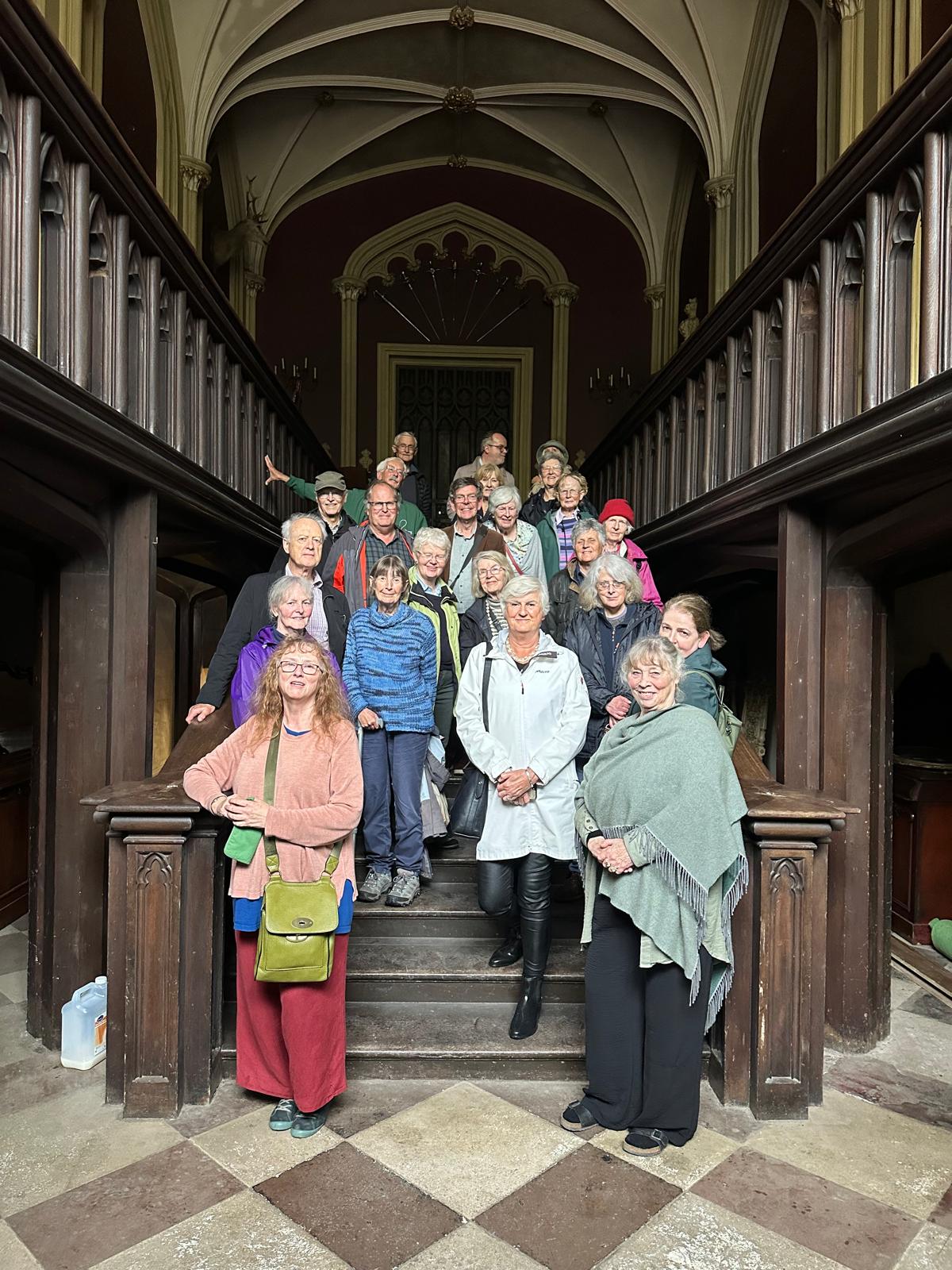
A particularly warm ‘thank you’ to Michael Byrne of the Offaly Historical Society for his outstanding welcome to the RHS members who braved the very wet weather to reach Tullamore and to learn some of its history, with a focus on the 18th century. On our arriving at 11.00am, Michael had very kindly prepared a breakfast of the most delicious brown bread and butter, scones etc. with tea and coffee. The intrepid 21 RHS members were more than delighted with this delicious treat and, fully fortified, we ventured out on our walk, even as the rain beat a retreat. Many of us had also been intellectually fortified by the opportunity to browse and purchase books and other items of an historical nature in the excellent and most addictive (personal experience cited here!) book shop of the Offaly Historical Society. Michael then led us on a really interesting walk through the main streets of Tullamore, outlining its fascinating history and fine architectural heritage. At the end of the afternoon, he recounted the absolutely spellbinding history of the Bury Family (Earls of Charleville), delivered totally off the cuff, in St. Catherine’s Church, Hophill, where Charles Moore, the first Earl is commemorated by an imposingly superb monument by the sculptor Van Nost the younger. A light lunch was had in The Court Hotel, followed by an intriguing visit to Charleville Forest – possibly the very finest example of the less well known Gothic(k) work of Francis Johnston, architect of the GPO and many other important buildings. At Charleville Castle, we were kindly hosted by Bridget Vance who had been good enough to facilitate us, even though the House (Castle) had just finished it’s latest film appearance the day before! Our members were fascinated by the architecture, and the stories told by Bridget and her assistant – an adept in the ghostly associations of the house. Then on to St. Catherine’s where we were again most kindly facilitated by Canon Isaac Delamere, who had opened the Church especially for our visit. St. Catherine’s is also designed by Francis Johnston. After a kind welcome by Canon Delamere, we were treated to a most informative introduction to 18th century Irish architecture by Conor Lucey, who has written and lectured widely on the subject. Conor prepared the ground for Michael’s excellent follow up on the Bury family. We had the pleasure of being joined on this wonderful day in Tullamore by our friends Geraldine and Matthew Stout, who had recently guided us around Bective Abbey and Beaubec Grange. Happily sated with new knowledge and some of us intending further visits, we all headed back to Dublin digesting the activities of yet another most enjoyable day out for the RHS. A big thank you to all who helped make this such an enjoyable day – particularly Michael, Bridget, Canon Delamere and Conor. Adrienne
The Boyne Valley Trips
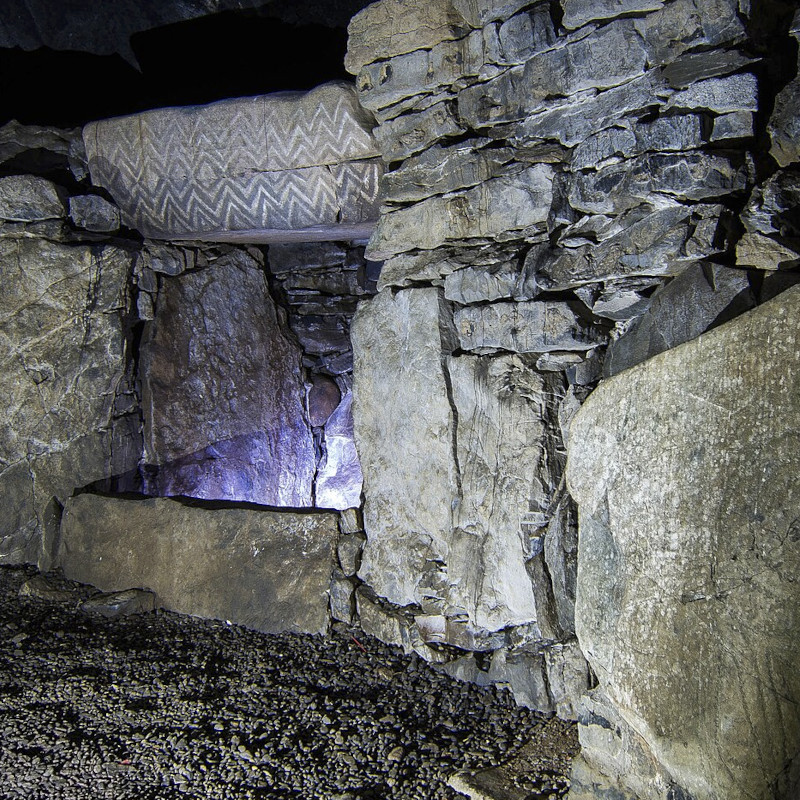
by Adrienne Hume, May 2025 The sun appears to have left us for the moment, but it was fully with us on our 3 recent fantastic outings in the expert hands of Prof. Roger Stalley, Anthony Murphy and Geraldine and Matthew Stout. Sunday 4th May 2025 – Tara with Edel Breathnach Most unfortunately our trip to Tara has had to be postponed, due to the temporary incapacity of the equally wonderful Edel Bhreathnach. We wish Edel a speedy and full recovery, and look forward to this trip with her at a time that suits her in the future. Thursday 8th May 2025 – Monasterboice & Mellifont with Roger Stalley Roger very kindly took time out from his Gothic adventures to enthral us with his vivid descriptions and interpretations of the Art work on the 2 famous High Crosses at Monasterboice. Entertaining, erudite and charming always, R oger held his audience in the palm of his hands – even enticing a few extra strays into his orbit. We could have listened to him all day, but the poor man needed a break before he again entranced us at Mellifont that afternoon – where the excited site guides promptly locked up and joined our group for what turned out to be an even more fascinating afternoon on the history of the first great Cistercian House in Ireland and it’s vagaries over time. We were even ‘blessed’ with a visitation from a real modern day Cistercian – the Bursar, conducting business at the site. Most interesting conversations ensued concerning the future of our beloved modern Cistercian Abbeys, before Roger again vividly brought to life the ruined buildings of Mellifont and their functions, entrancing and educating both amateur and tour guide alike! To have been in the company of such a renowned expert on Cistercian Architecture and the early Irish High Crosses, and to have had the benefit of his learning and expertise most generously given, in glorious sunshine was truly a gift to all of us lucky enough to have been there. Saturday 17th May 2025 – Loughcrew Cairns & Fourknocks with Anthony Murphy Anthony was equally fortunate with the weather, leading us up to (arguably!) the most beautifully situated passage grave cemetery in the country, on top of Loughcrew, on a glorious day. Always a truly magical place, but particularly so on the day of our visit, where he also shared his vast knowledge of the archaeology and lore of the Neolithic with us. Always with Anthony, his love for his subject, and the myths that enhance and decorate this mysterious prehistoric period, are ever to the fore. He discussed many of the partially ruined passage tombs with us, and pointed out examples of their mysterious art work. He talked about the legends associated with the Cailleach, and her famed hop across the four hills, dropping stones from her apron as she went!!! It was a glorious morning spent sensing the presence of our ancestors in this beautiful, peaceful, mystical and sacred place. That afternoon we visited the little known and most unusual passage tomb at Fourknocks, where yet again Anthony managed to bring the experience to vivid life for all of us. We spent much time studying and discussing the artwork, and hypothesising about possible meanings. Yet again, we were enthralled and unwilling to leave. In both locations we again ‘picked up’ interested outsiders who were as enthralled by Anthony’s tales as we were, and who assured us that they would be joining our society! Many of us bought Anthony’s book on Fourknocks and I can assure you that it is a most interesting read. Sunday 18th May 2025 – Bective Abbey & Beaubec with Geraldine & Matthew Stout The sun gods were again with us when we arrived at Bective Abbey, and were immediately swept up by the whirlwind of enthusiasm and vast knowledge lightly held, that is always Geraldine Stout, and her husband Matthew. Bective is their site and they know it intimately. Geraldine expertly guided us through and around the complex and confusing mass of surviving impressive buildings, making sense for us of the various different periods of development and occupation, and insisting that if we left knowing only the 3 most important periods of construction, we would not have failed her! All answers to us please – there might just be a little prize. Many questions were asked and many interesting answers further enhanced our understanding of this impressive site. Previously un-noted decorated stones were discovered by newly energised participants – how could it be otherwise in the presence of such a ball of energy as Geraldine! Strands of thought and discussion topics were further elaborated on by Matthew, who further subdivided the stages of construction…That afternoon we were treated to an examination of another of their sites, Beaubec Grange, a site with a fascinating and previously little known history, as it was associated with a French House, and required much research and archaeology to piece together it’s interesting story. Matthew described the discovery of a huge barn, the remains unearthed underground during their excavations, and now completely invisible on the surface again. Apparently the finds in the latrine area provided a huge number of interesting pieces which both Geraldine and Matthew described for us. Much credit here is also due to the excellent custodial interest and drive of the owner John McCullen, who also gave us a most interesting talk about the C18th house built on the site and now sadly reduced to its foundations – could it be an Edward Lovett Pearse creation…. Only time will tell! Retrospectively, our 3 days (so far!) have provided a brief overview of the pre- Reformation history of the Irish Church. We began with one of the most famous early Irish Monasteries – Monasterboice, focusing on the most characteristic element of these early Monasteries – the outstanding stone High Crosses. Then we moved on to the first Irish Cistercian House – Mellifont, brought to Ireland in an effort
Annual Outing to Birr 26th – 29th April 2024

The annual outing for 2024 will be will be based in Birr from Friday 26th April to Monday 29th inclusive, Accommodation has been reserved in The County Arms Hotel but all of these rooms are now booked following the announcement of the outing details at recent meetings of the society. It may be worthwhile to contact the hotel to see if rooms become free — our contact is Michelle Digan 057 912 0791 Here are other accommodation options: Please let us know (at outings@rathichaelhistoricalsociety.ie ) if you plan to stay elsewhere. We have arranged dinner in the hotel for Sat. evening 27th April (3 courses + tea / coffee for €38 / person) Please ensure that you have reserved with the hotel for dinner (if you will be joining us). Cost of dinner and drinks is not included in the outing cost and must be dealt with individually. The plans for the weekend are now finalised and are very exciting. They include a guided visit to the Monastic site of Sier Kieran for those who arrive in Birr in the early afternoon on Fri. An introductory talk on The Monastic Midlands in the hotel on the Fri. evening – with tea / coffee. A guided visit to Birr Castle, Museum and Gardens and a guided walking tour of Birr, after lunch in the castle café. Guided visits to Clonmacnoise and Clonfert, with lunch and a guided visit to the Napoleonic fort in Shannonbridge. Guided visits to the Monastic site of Lemanaghan, with lunch locally, and to visit Boher Church to see the famous shrine and Harry Clarke windows there, and a visit to a private metal working workshop. Cost for the trip is €110. This includes all visits, appreciation for our guides, 3 lunches + tea / coffee on the Fri. evening. Full itinerary will be provided when you book and the outing fee is paid. We look forward to spending a most enjoyable weekend with you in Birr.
