
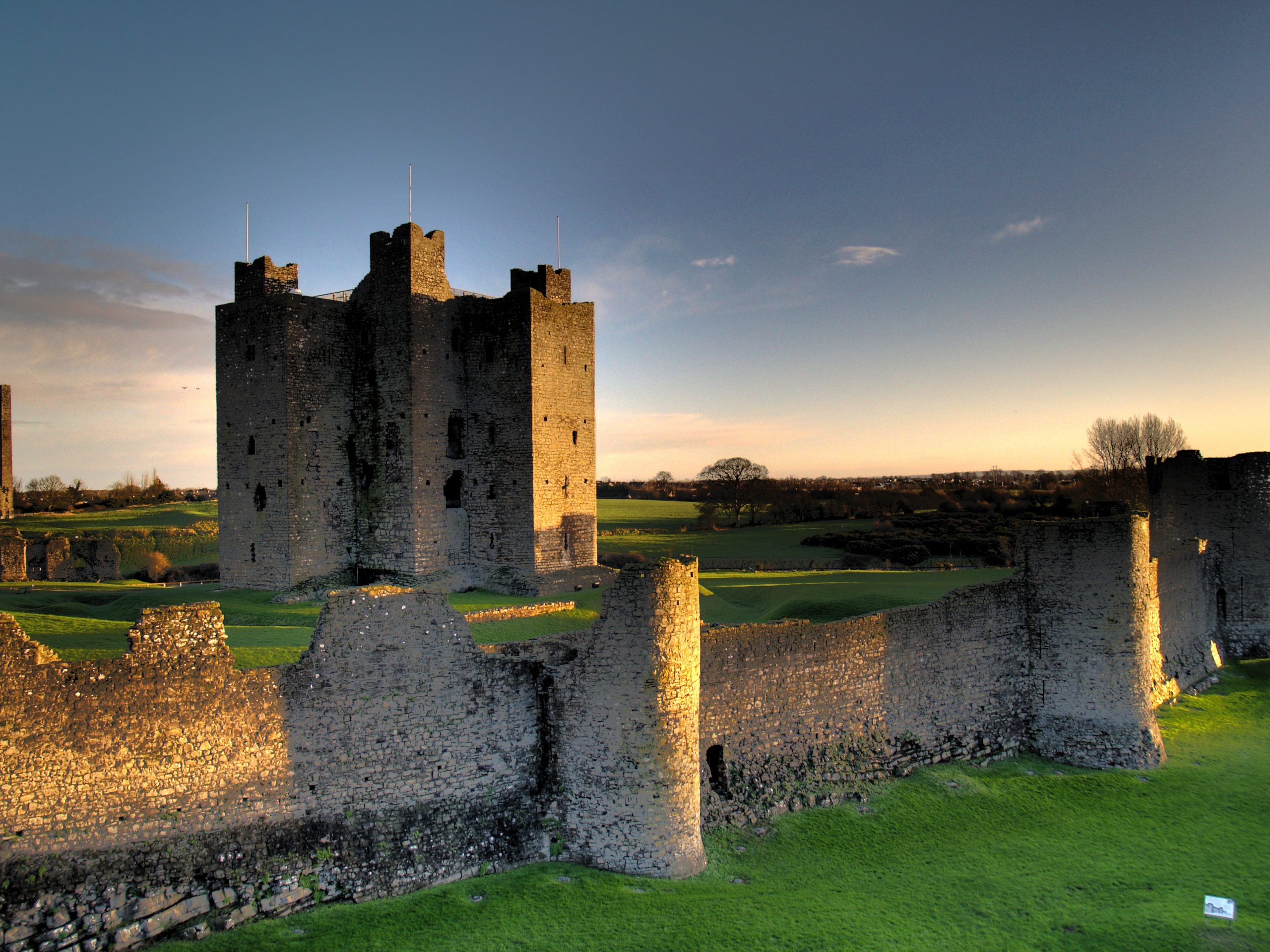
Con Manning Castle tour booked and confirmed for 25 people / 12.00 Lunch after castle tour at participants discretion. Con Manning has kindly agreed to guide after lunch – walk to Sheep gate and yellow Steeple, then drive to Newtowntrim for guided tour of the sites, with a break for coffee (Marcie Regans). [from Wikipedia] Trim Castle (Irish: Caisleán Bhaile Átha Troim) is a castle on the south bank of the River Boyne in Trim, County Meath, Ireland, with an area of 30,000 m2.[1][2] Over a period of 30 years, it was built by Hugh de Lacy and his son Walter as the caput of the Lordship of Meath. The Irish Government currently own and are in charge of the care of the castle, through the state agency The Office of Public Works (OPW). The land area of Meath was owned by the church but was granted to Hugh de Lacy in 1172 by Henry II of England as one of the new administrative areas.[4] De Lacy built a huge ringwork castle defended by a stout double palisade and external ditch on top of the hill. There may also have been further defences around the cliffs fringing the high ground. Part of a stone footed timber gatehouse lies beneath the present stone gate at the west side of the castle.
RHS

12 Sep 2026 St. Mary’s Abbey and recent excavations (less than 6 places left)
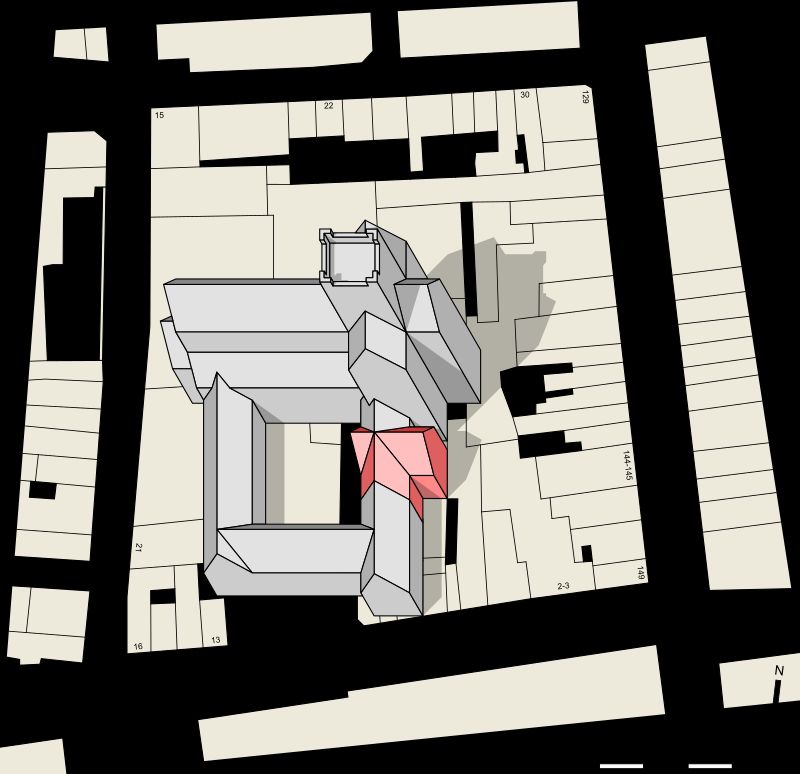
Ralph Smyth, Ed Donovan and possibly Paul Duffy [From Wikipedia, the free encyclopedia:] St. Mary’s Abbey (Irish: Mainistir Mhuire) was a former Cistercian abbey located near the junction of Abbey Street and Capel Street in Dublin, Ireland. Its territory stretched from the district known as Oxmanstown down along the River Liffey until it met the sea. It also owned large estates in other parts of Ireland. It was one of several liberties that existed in Dublin since the arrival of the Anglo-Normans in the 12th century, which gave it jurisdiction over its lands. The abbey was founded by the Irish king Máel Sechnaill mac Máele Ruanaid (died 862) in 846, according to the Annals of the Four Masters. It was originally Benedictine, but in 1139 was given by Malachy O’Morga, the legate of the Pope, to monks belonging to the Congregation of Savigny, which in 1147 joined the Cistercian order.[2]
26 Jul 2026 Dean Swift Walk (booked out)
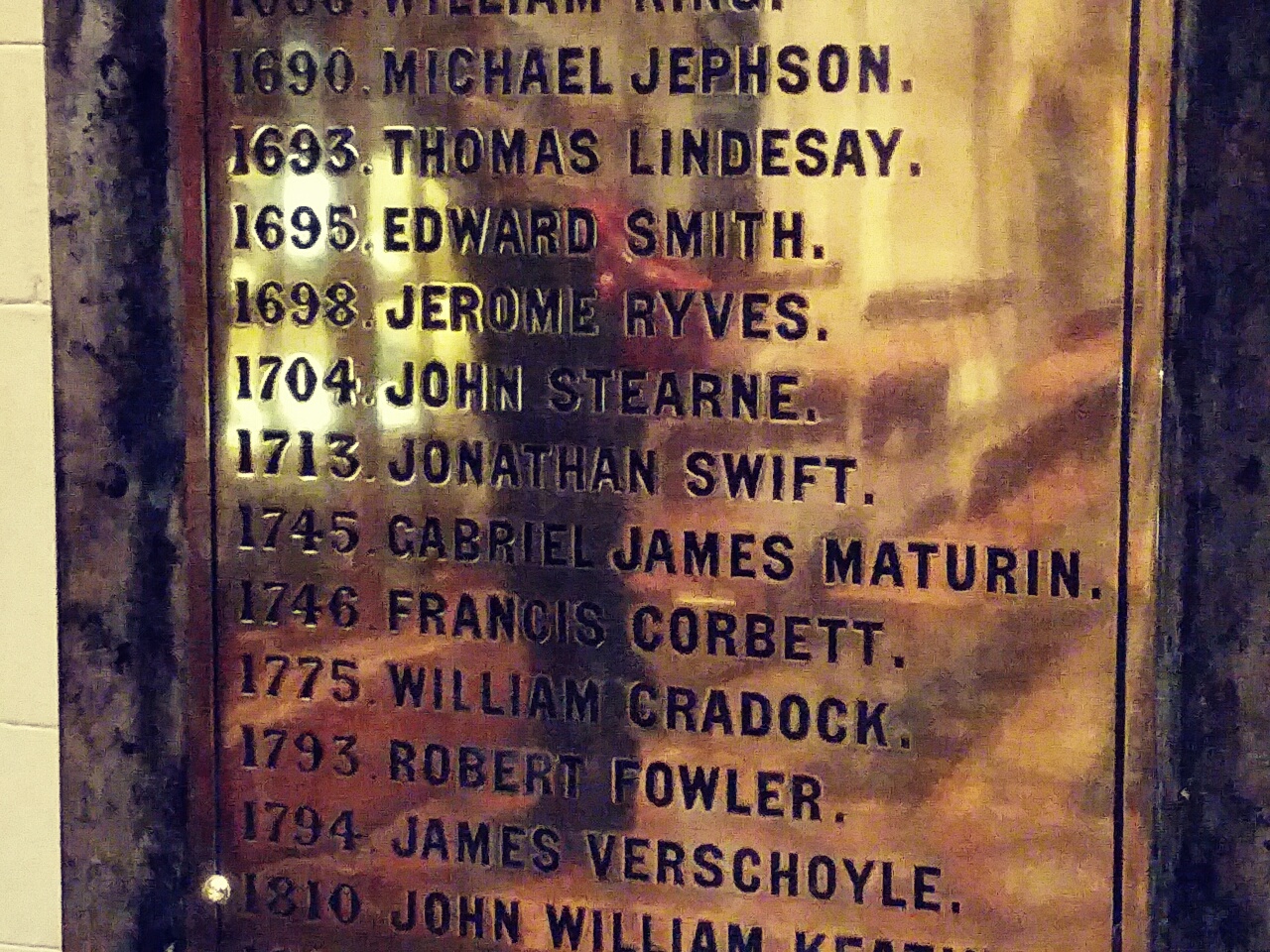
With Brendan Twomey Brendan Twomey will guide us around sites associated with Swift, ending in St. Patrick’s Cathedral, with the possibility of attendance at Evensong at 3.15pm (the latter to be confirmed). Approx. max. 20 people / €10 each (now fully booked)
22 Jul 2026 Royal Irish Academy, Dawson St.
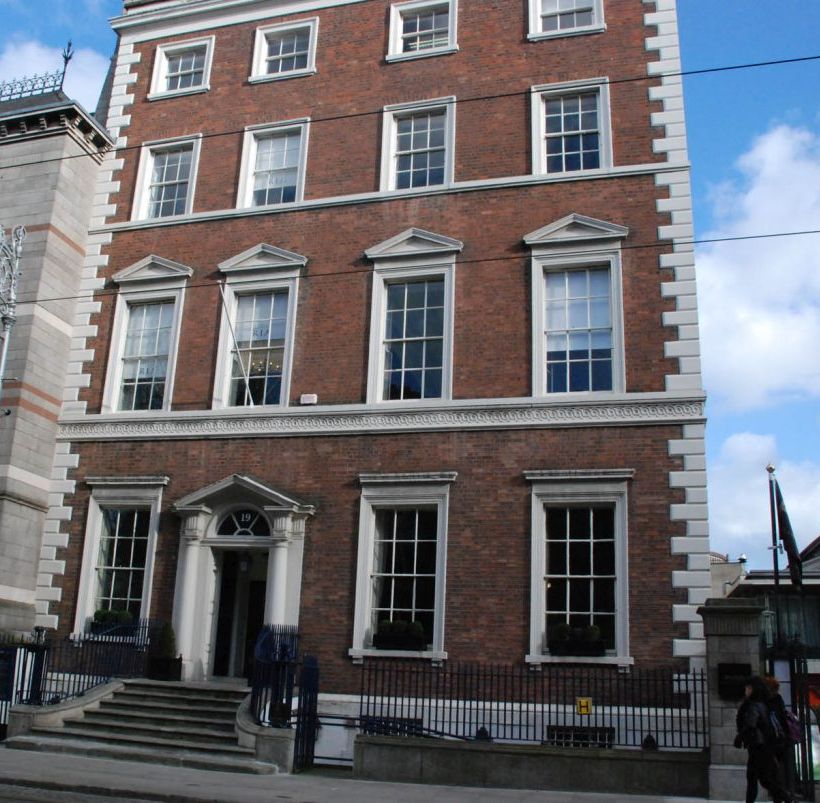
Guided Visit There will be a €5 donation to the Academy The Royal Irish Academy, established in 1785, serves as an all-island learned society, recognising academic achievement and contributing expertise to enhance the public good
14 Aug 2026 The Broighter Hoard as Treasure Trove – Aideen Ireland
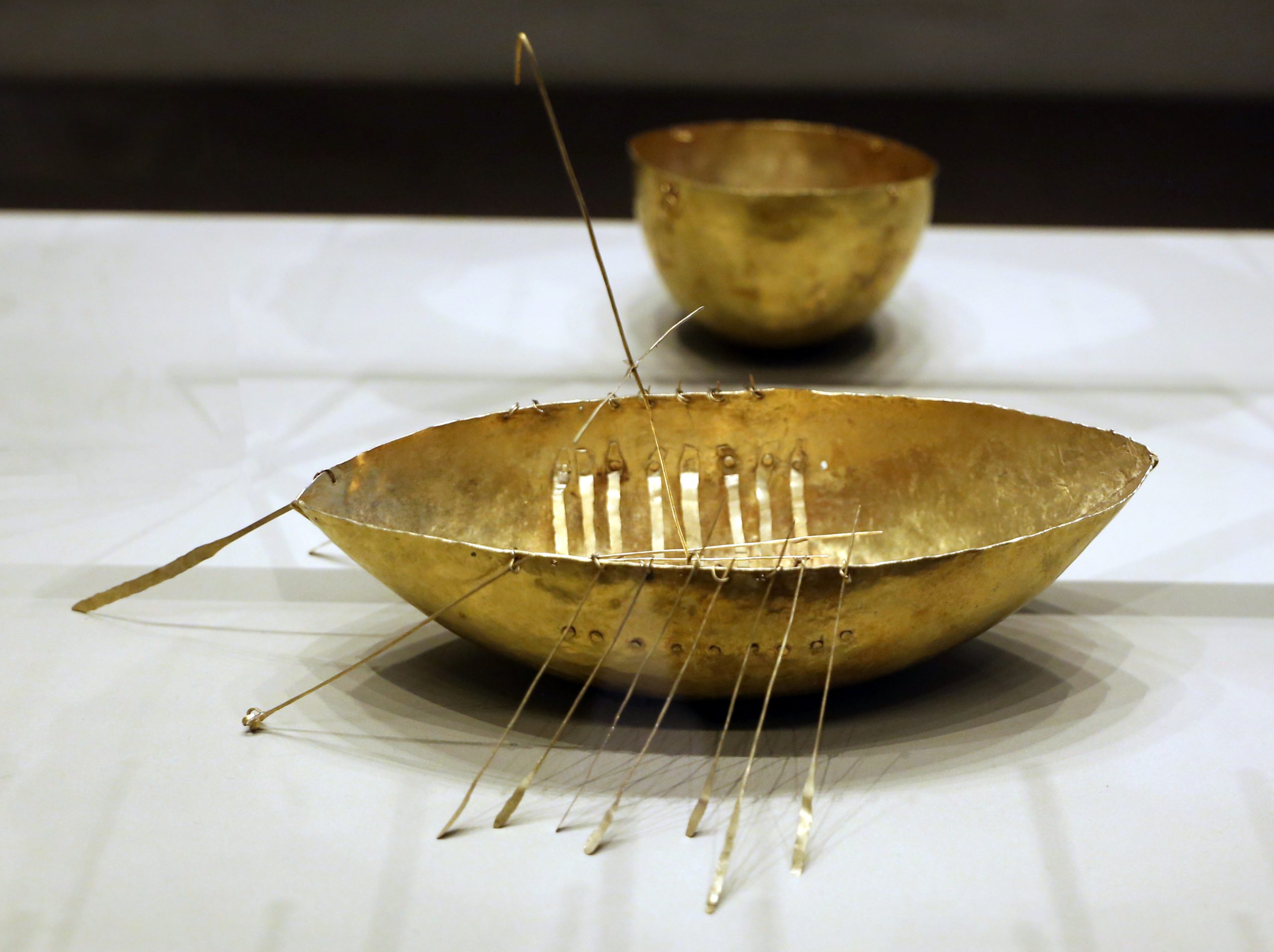
“Fanciful suggestions more suited to the poem of a Celtic bard than the prose of an English Law report”The Broighter Hoard as Treasure Trove Aideen Ireland Aideen Ireland is the retired Head of Reader Services Division of the National Archives of Ireland. She serves on the Council of the Royal Society of Antiquaries of Ireland of which she is a past President. She is a Fellow of the Society of Antiquaries of London and has served on its Council. She is past President of the Archives and Records Association (UK & Ireland). She has recently acted as Chair of the Strategic Review Committee for the preparation of the Strategic Development Plan 2023–2027 for the Irish Manuscripts Commission. *!*!* The lecture will be followed by wine and cake to celebrate 50 years since the Society was founded *!*!* [from Wikipedia] The Broighter Gold or more correctly, the Broighter Hoard, is a hoard of gold artefacts from the Iron Age of the 1st century BC that were found in 1896 by Tom Nicholl and James Morrow on farmland near Limavady, Northern Ireland.[1] The hoard includes a 7-inch-long (18 cm) gold boat, a gold torc and bowl and some other jewellery. The National Museum of Ireland, who now hold the hoard, describe the torc as the “finest example of Irish La Tène goldworking”.[2] Replicas of the collection are kept at the Ulster Museum in Belfast. A somewhat puzzling aspect of the hoard is that scientific analysis suggests the same source for the gold in all the pieces, but they show a great diversity in style, from Celtic to Roman.[3] A design from the hoard has been used as an image on the 1996 issue of the Northern Ireland British one-pound coins[4] and the gold ship featured in a design on the last Irish commemorative one-pound coins.[5] The Broighter Collar and Broighter Ship also featured on definitive postage stamps of Ireland from 1990 to 1995.
13 Aug 2026 Early Modern Mapping in Ireland: Londonderry c. 1600 – 1630 – Dr. Annaleigh Margey
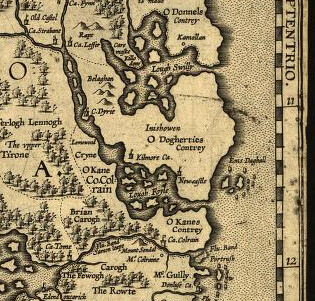
Dr. Annaleigh Margey Early maps of Derry around the year 1600 capture a pivotal military transition, shifting from an ancient monastic settlement into an English garrison, and eventually the first planned city in Ireland. [1, 2, 3, 4] The primary historical maps from this era fall into a few key collections:
12 Aug 2026 Frederick Hervey, Earl Bishop of Derry – Dr. Rebecca Campion
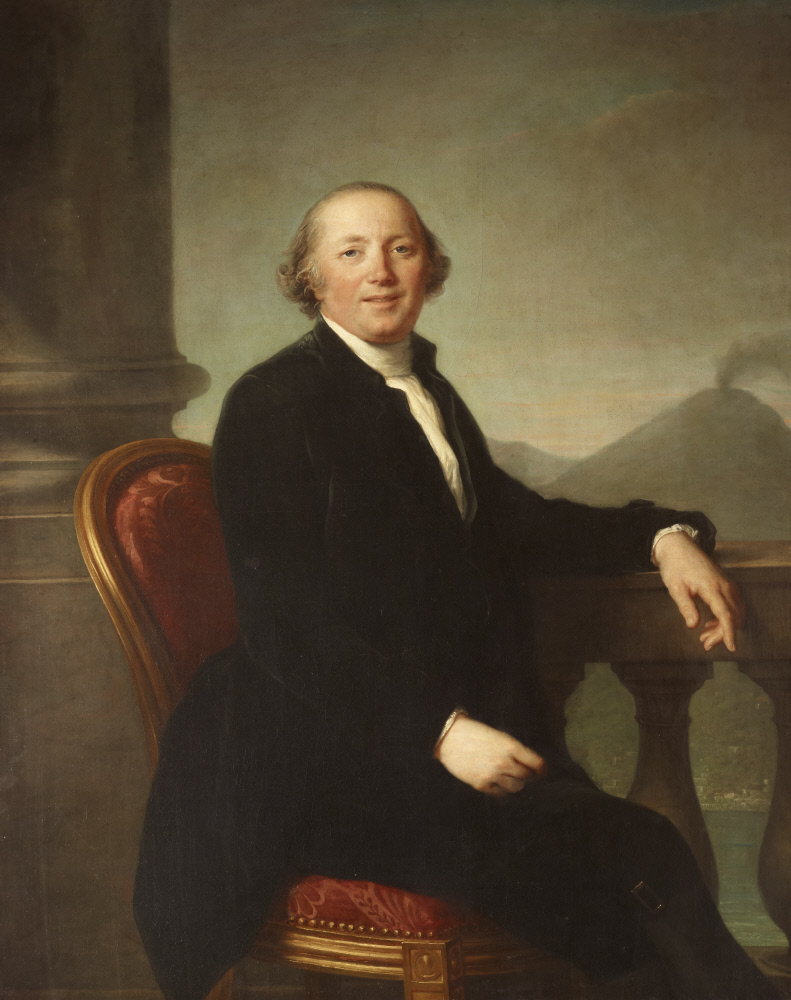
The Leo Swan Memorial Lecture Frederick Hervey, Earl Bishop of Derry Dr Rebecca Campion Frederick Augustus Hervey, 4th Earl of Bristol, PC (Ire), FRS (1 August 1730 – 8 July 1803), was an 18th-century Anglican prelate. Elected Bishop of Cloyne in 1767 and translated to the see of Derry in 1768, Hervey served as Bishop of Derry until his death in 1803. He is remembered for designing mansions at Downhill and Ballyscullion, and he was known as the Edifying Bishop or the Earl-Bishop (in allusion to prince-bishop).
11 Aug 2026 Donegal & Annals of the Four Masters – Dr Bernadette Cunningham
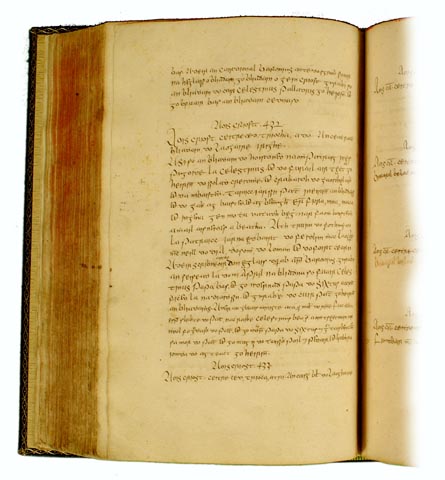
Donegal and the Annals of the Four Masters Dr. Bernadette Cunningham The Annals of the Four Masters is the most comprehensive chronicle of Irish history, chronicling events from the biblical great flood to 1616 AD. Compiled between 1632 and 1636, this masterpiece was directed by Franciscan friar Mícheál Ó Cléirigh alongside three other hereditary historians.
10 Aug 2026 OS Base Line at Magilligan – Dr Finnian Ó Cionnaigh
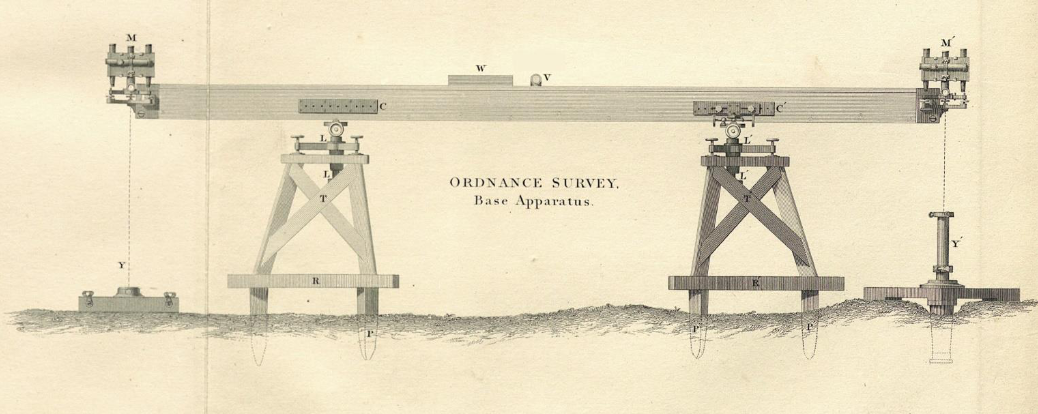
Construction of the Base Line on Magilligan Strand for the Ordnance Survey of Ireland in the early 19th century Dr. Finnian Ó Cionnaigh The Magilligan baseline is a precise 41,640,9 foot (12,692 m) straight line measured in 1828 along the Magilligan strand and Ballykelly in Co London/Derry. Chosen for its flatness, it served as the foundational starting point for the first major Ordnance Survey of Ireland’s triangulation network. The measurement achieved extraordinary accuracy; when the line was remeasured using electronic equipment in 1960, the difference was roughly one inch (an error of 2 millionths of the total length)
